
Avoid Costly Blockages and Keep Your Plumbing Flowing Smoothly with Pro Tips
- plumboz
- Mar 25
- 3 min read
Clogged drains and blocked pipes can disrupt your daily routine and lead to expensive repairs. Preventing these issues before they start saves time, money, and stress. This post shares practical tips to help you avoid costly blockages and maintain smooth plumbing flow in your home.
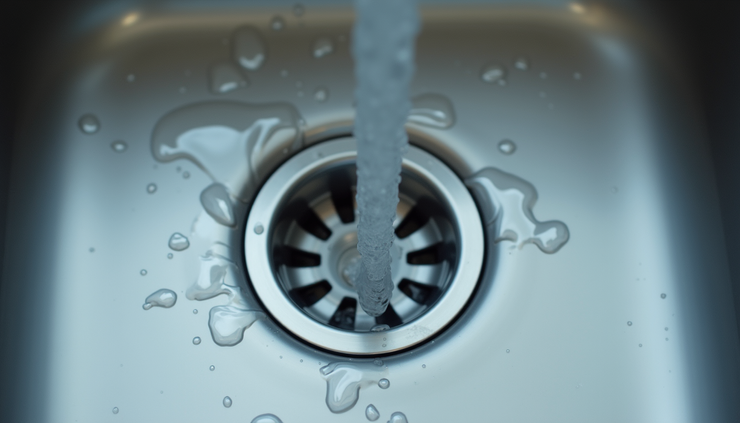
Understand What Causes Blockages
Knowing the common causes of plumbing blockages helps you avoid them. Most blockages happen because of:
Grease and fat buildup: Pouring cooking oils or fats down the drain causes them to solidify and trap debris.
Hair accumulation: Hair easily clogs bathroom drains, especially in showers and sinks.
Food scraps: Even small food particles can cause blockages if they enter the kitchen drain.
Foreign objects: Items like wipes, cotton balls, or toys flushed down toilets or sinks can block pipes.
Mineral deposits: Hard water leaves mineral buildup inside pipes, narrowing the flow over time.
Avoiding these common causes is the first step to keeping your plumbing clear.
Simple Daily Habits to Prevent Blockages
Small changes in daily habits can make a big difference in preventing plumbing problems:
Use drain strainers: Place strainers in sinks and showers to catch hair, food, and other debris before they enter the pipes.
Dispose of grease properly: Let cooking fats cool and solidify, then throw them in the trash instead of pouring them down the drain.
Avoid flushing non-flushable items: Only flush toilet paper and human waste. Dispose of wipes, sanitary products, and other items in the bin.
Run hot water regularly: Pour hot water down drains weekly to help dissolve grease and clear minor buildup.
Clean drains monthly: Use a mixture of baking soda and vinegar followed by hot water to naturally clean pipes and reduce odors.
These habits reduce the chance of blockages and keep water flowing smoothly.
Recognize Early Signs of Blockages
Catching blockages early prevents costly repairs. Watch for these warning signs:
Slow draining sinks or tubs
Gurgling sounds from drains or toilets
Foul odors near drains
Water backing up in sinks or toilets
Unusual noises from pipes when water runs
If you notice any of these signs, act quickly to clear the blockage or call a professional plumber.
When to Call a Professional Plumber
Some blockages require expert attention. Call a plumber if:
DIY methods don’t clear the blockage
Multiple drains are slow or blocked
You smell sewage or see water pooling around fixtures
Pipes show signs of damage or leaks
You want a thorough inspection to prevent future problems
Professional plumbers have the right tools and experience to fix blockages safely and effectively.
Regular Plumbing Maintenance Tips
Routine maintenance keeps your plumbing system in good shape and prevents blockages:
Schedule annual plumbing inspections to catch issues early
Have drains professionally cleaned every 1-2 years
Check and replace worn-out washers and seals to prevent leaks
Inspect outdoor drains and gutters to avoid debris buildup
Monitor water pressure to avoid pipe damage
Regular care extends the life of your plumbing and reduces emergency repairs.
Use the Right Products for Drain Care
Avoid harsh chemical drain cleaners that can damage pipes and harm the environment. Instead, choose:
Enzyme-based drain cleaners that break down organic matter safely
Natural remedies like baking soda and vinegar for minor clogs
Mechanical tools like drain snakes or plungers for stubborn blockages
Using safe products protects your plumbing and keeps your home healthy.


Comments